
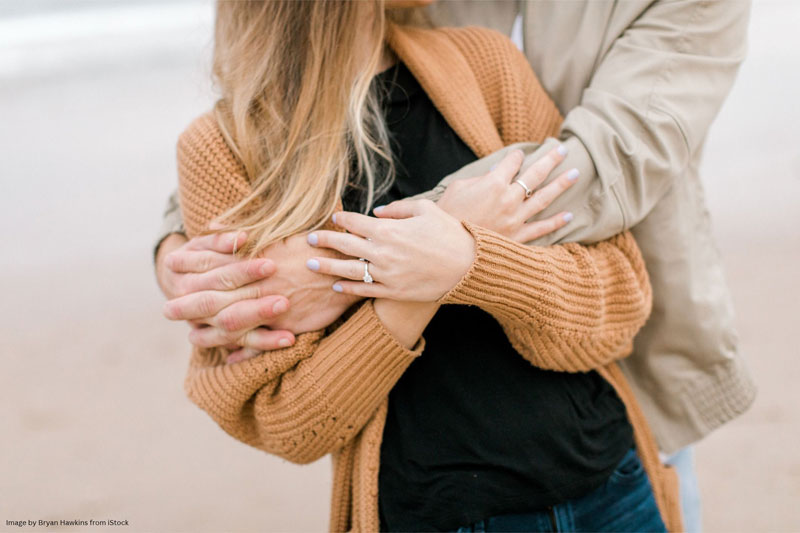
You said yes! Congratulations!
Maybe you’re still looking at your engagement ring every few minutes or replaying the proposal in your head, but once the initial excitement settles, you might start wondering what you’re supposed to do next.
Should you start looking at venues? Set a wedding date? Tell everyone? And when should you actually start planning?
The good news is that there’s no need to figure everything out right away. A few simple first steps can help you get organized while still enjoying one of the most special times in your relationship.
Here are ten ways to get started without feeling overwhelmed.
What Are the First Things to Do After Getting Engaged?
Start by celebrating together, sharing your news with family and friends, and talking about what you’d both like your wedding to look like. It’s also a good time to discuss your budget, get a rough idea of your guest count, and think about possible wedding dates.
You don’t need to make all these decisions in one weekend. Give yourselves time to enjoy being engaged before diving into the details.
Your Newly Engaged Wedding Planning Checklist: 10 Things to Do First
1. Celebrate Your Engagement
Go out for a special dinner, open a bottle of something you love, or spend a quiet evening together reliving the proposal. If friends and family want to celebrate with you, that’s wonderful too.
You might be tempted to jump straight into wedding planning, especially if you’ve already started saving ideas on Pinterest. But there’s no rush. This is a special time in your relationship, and it’s worth enjoying before the to-do lists begin.
2. Share Your Happy News
You’ll probably be eager to announce your engagement, but think about telling your closest family members and friends personally before posting on social media.
A phone call, video chat, or visit can make the news feel much more personal. Some parents and close relatives may appreciate hearing it directly from you rather than seeing an announcement online.
Once you’ve shared the news with your favorite people, go ahead and post those proposal pictures!
There’s no right or wrong way to announce your engagement. Do whatever feels comfortable for both of you.
3. Take Engagement Photos
You’ll want to remember this time, and engagement photos are a lovely way to capture it.
You don’t necessarily need to hire a professional photographer right away. A few pictures taken together at a favorite restaurant, park, or somewhere meaningful to your relationship can be just as special.
If you do decide to book a professional session, think about how you might use the pictures. They can be included in save-the-dates, added to your wedding website, or used for engagement announcements.
And don’t feel that every photo needs to be perfectly posed. Sometimes the candid ones turn out to be your favorites.
4. Talk About Your Wedding Vision
Before you start visiting venues or looking at wedding decorations, sit down together and talk about what you actually want.
Have you always pictured a big celebration with family and friends? Would you prefer something small and intimate? Maybe a destination wedding or an outdoor ceremony sounds more appealing.
Talk about the things that matter most to each of you. One person might care about having a great photographer, while the other is dreaming about a beautiful reception and a packed dance floor.
You won’t agree on every detail, and that’s okay. The idea is to get a general sense of what you’re both imagining before making decisions or spending money.
5. Establish a Realistic Wedding Budget
Wedding costs can add up faster than you might expect, so it’s worth having the money conversation early.
Start by figuring out how much you’re comfortable spending. If parents or other family members have offered to contribute, talk about whether those contributions are definite and whether there are any expectations attached.
You don’t need an exact breakdown yet, but it helps to have a general idea of where your money will go.
Some of the bigger expenses to consider include:
- Venue and catering
- Photography and videography
- Wedding attire and alterations
- Flowers and decorations
- Entertainment and music
- Invitations and stationery
- Transportation and accommodations
It’s also easy to overlook smaller expenses, such as gratuities, alterations, service charges, and last-minute purchases. Leave some room in your budget for unexpected costs.
A simple spreadsheet is a good place to start. List your estimated expenses, update the numbers as you receive quotes, and keep track of deposits and payments.
For more help getting started with budgeting, Consumer.gov’s guide to making a budget offers useful tips for organizing your finances.
6. Create Your Initial Guest List
You might not have a final guest list for quite some time, but having a rough number will make your next decisions much easier.
Start with immediate family and the friends you can’t imagine celebrating without. Then add extended family, coworkers, and other people you’d like to invite.
If your list gets longer than expected, don’t panic. This is just your starting point.
Your guest count will have a big impact on your budget and venue choices. A wedding for 50 people requires a very different space and budget than one for 200.
It’s much easier to make adjustments now than after you’ve booked a venue or started sending invitations.
7. Explore Wedding Dates and Seasons
Do you have a particular time of year in mind for your wedding?
Maybe you’ve always dreamed of a spring garden ceremony, a summer celebration, or a cozy winter wedding. Think about the atmosphere you’d like and whether certain dates have special meaning to you.
You’ll also want to consider work schedules, family availability, holidays, and travel arrangements for guests coming from out of town.
If you have a specific date in mind, check whether your preferred venues are available before getting too attached to it. Popular wedding dates can book well in advance, especially during busy seasons.
Having two or three possible dates gives you more flexibility and may help you find a venue you really love.
8. Research Wedding Venues
Once you have a rough budget, guest count, and timeframe, you can start looking at venues.
This is often one of the more exciting parts of wedding planning. You might already have a few places saved, but it’s worth comparing several options before making a decision.
Pay attention to more than just how a venue looks in photographs. Ask about:
- Guest capacity and available dates
- Rental fees and payment schedules
- Catering options and outside vendor policies
- What’s included in the rental price
- Indoor and outdoor ceremony options
- Parking and accessibility
- Weather backup plans
Try to visit your favorite venues in person. Pictures don’t always tell the whole story, and seeing the space can help you decide whether it feels right.
Before signing anything, read the contract carefully. Check cancellation policies, payment deadlines, and any additional charges you might not have considered.
9. Start Your Wedding Planning Checklist
By now, you probably have quite a few ideas, notes, and saved pictures. It’s a good time to get everything organized.
A wedding planning checklist can help you keep track of what needs to be done without trying to remember every little detail.
Start with the big things:
- Your wedding budget
- Guest list
- Potential dates
- Venue research and bookings
- Vendor inquiries
- Important payment dates and deadlines
It’s also helpful to keep contracts, receipts, inspiration photos, and important contact information together in one place.
10. Enjoy Being Engaged
Here’s a reminder that can be easy to forget once wedding planning gets underway: you’re getting married to someone you love. Don’t let the planning take over everything.
It’s easy to spend evenings comparing venues, discussing guest lists, and scrolling through endless pictures of wedding flowers. Before long, every conversation seems to revolve around the wedding.
Make time for date nights when wedding talk is off the table. Go out for dinner, watch a movie, take a weekend trip, or just enjoy doing the things you normally love together.
And try not to compare your plans with what friends, family, or people on social media are doing.
Your wedding doesn’t have to look like anyone else’s. Focus on what makes the two of you happy.
Newly Engaged? Save This 10-Step Wedding Planning Checklist
Want an easy way to keep track of your first steps? Save or print this checklist so you can refer back to it as you start planning.
- Celebrate your engagement.
- Share the news with family and friends.
- Take engagement photos.
- Talk about your wedding vision.
- Set a realistic wedding budget.
- Start your guest list.
- Explore possible wedding dates and seasons.
- Research and visit wedding venues.
- Organize your wedding planning checklist.
- Make time to enjoy being engaged!
You don’t have to check everything off immediately. Work through the list as you go, and remember to enjoy the experience along the way.
Frequently Asked Questions About Getting Engaged
What should you do immediately after getting engaged?
First, enjoy the moment! Celebrate with your partner, share the news with your closest family and friends, and take some time to appreciate what just happened. Wedding planning can wait a little while.
How soon should you start planning your wedding?
There’s no set rule. Some couples start looking at venues within a few weeks, while others take a few months to enjoy their engagement first.
If you’re hoping for a popular venue or a particular wedding date, starting your research 12–18 months ahead can give you more options. Smaller weddings and shorter planning timelines are certainly possible too.
What should you book first for a wedding?
For most couples, the venue is a good place to start. Once you’ve secured your location and wedding date, you can begin booking other important vendors, such as your photographer, caterer, and entertainment.
Do you need a wedding planner immediately after getting engaged?
No. Some couples love having a professional planner handle the details, while others prefer to organize everything themselves.
If you’re planning a large wedding, a destination celebration, or an event with lots of moving parts, a planner can be particularly helpful. Otherwise, a good checklist and some organization may be all you need.
What is the biggest mistake newly engaged couples should avoid?
One common mistake is making expensive commitments before figuring out the budget and approximate guest count.
It’s easy to fall in love with a venue or start booking vendors before understanding what you can comfortably afford. Work out those two things first, and you’ll have a much better starting point.
Should you get your engagement ring insured?
It’s worth looking into, especially if your engagement ring is valuable. Check whether your homeowners or renters insurance provides jewelry coverage. You may need additional coverage or a separate jewelry policy. Keep your receipt, appraisal, and a few photographs of the ring for your records.
When should you announce your engagement?
That’s entirely up to you. Many couples tell immediate family and close friends first, then share their engagement publicly on social media.
If you’d rather enjoy the news privately for a little while, that’s perfectly fine too. There’s no deadline for making your announcement.
Ready to Start Planning?
Getting engaged is exciting, but figuring out where to begin can feel a little overwhelming. Take things one step at a time, talk through decisions together, and don’t forget to enjoy the experience along the way.
Have questions or need a little help with your wedding plans? Contact us at Wedding Details. We’d love to hear what you’re planning and help point you in the right direction.
Congratulations again, and happy planning!